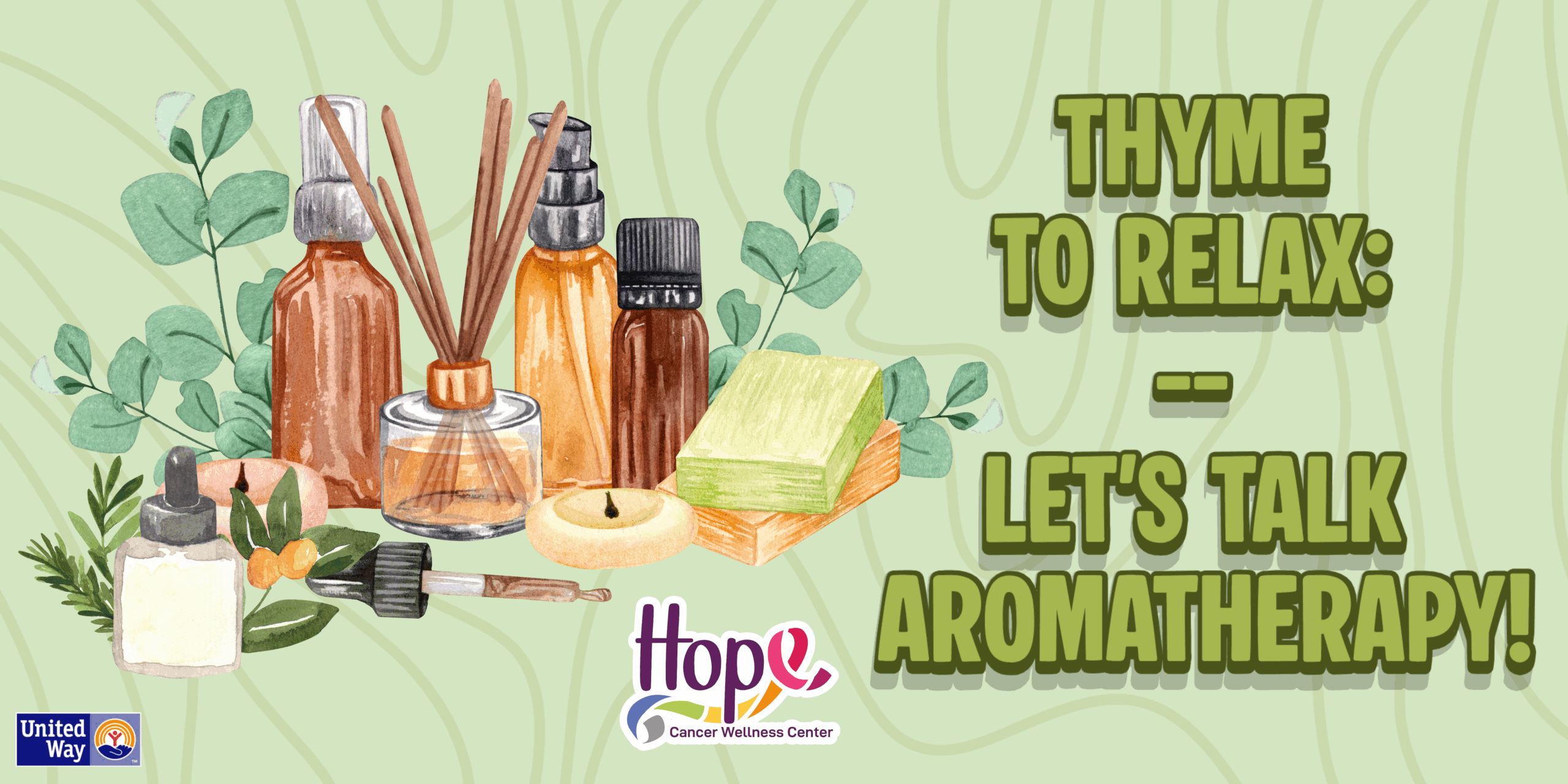
Cancer patients experience difficult days filled with pain, nausea, and stress. Aromatherapy can provide simple relief from cancer symptoms using scents derived from plants. This post offers safe oils to try, easy application methods, and tips supported by research.
What IS aromatherapy?
Aromatherapy is the process of using essential oils, whether that’s through a diffuser, diluted with body oil and spread across the skin, or through room sprays! Plants, flowers, and other natural ingredients produce essential oils. There are many ways to extract the oils, including steam distillation, cold pressing, or solvent extraction.
Essential oils align with complementary and alternative medicine, supporting the mind, body, and spirit. There are typically various ways to use them. However, they are NOT a substitute for actual medical treatment. It is also worth mentioning that when looking for essential oils to buy, remember to look for oils that are therapeutic-grade.
What Symptoms Does it Alleviate
Chemotherapy comes with a lot of negative side effects, some of which stick around far too long. There’s fatigue, nausea, vomiting, anxiety, you name it. That’s where aromatherapy can come into play! Some essential oils can provide benefits that help alleviate those symptoms.
(Caballero-Gallardo K, Quintero-Rincón P, Olivero-Verbel J., 2025) Found that “The integration of essential oils has been shown to alleviate various psychological and physiological symptoms, including anxiety, depression, fatigue, sleep disorders, neuropathic pain, nausea, and menopausal symptoms. Among the studied plants, lavender has emerged as being particularly notable due to its broad spectrum of therapeutic effects.”
How to Apply/Use Aromatherapy
- Indirect Inhalation: Diffusers are the best way to indirectly inhale essential oils, making them one of the easiest methods.
- Direct Inhalation: The most common method of direct inhalation uses jewelry pieces designed to hold small cotton pads, which you can use to apply essential oils.
- Mixture: You can mix essential oils with various mediums, such as Epsom salts (some already have essential oils in them) or lotions. Moreover, receiving a massage with diluted essential oils blended into body oils can offer significant benefits.
Most Commonly Used Essential Oils
- Bergamot: Can alleviate anxiety and stress, and is a mood brightener.
- Lavender: Can help with discomfort from pain, puts you in a relaxed state, eases stress, and helps with sleep.
- Peppermint: Is known to be an anti-inflammatory, eases headaches, settles the stomach, and lifts moods.
- Citrus: Citrus-smelling essential oils provide an energized feeling and assist in feeling less anxiety.
- Neroli: Used as a calming or grounding smell.
- Frankincense: Known for being the “King of oils.” It helps with inflammation, mood, and sleep.
Key Takeaways:
Aromatherapy is a wonderful, yet simple, alternative relief from certain cancer symptoms. Pair them with your treatment for better days. Talk to your doctor, then breathe easy.
Sources Used:
Caballero-Gallardo, Karina. Quintero-Rincón, Patricia. Olivero-Verbel, Jesus. (2025, January 29). Aromatherapy and Essential Oils: Holistic Strategies in Complementary and Alternative Medicine for Integral Wellbeing. Retrieved from https://pubmed.ncbi.nlm.nih.gov/39942962/
